Interior
Cloth specified for a room rather than a body — where abrasion resistance and light behaviour outrank drape.
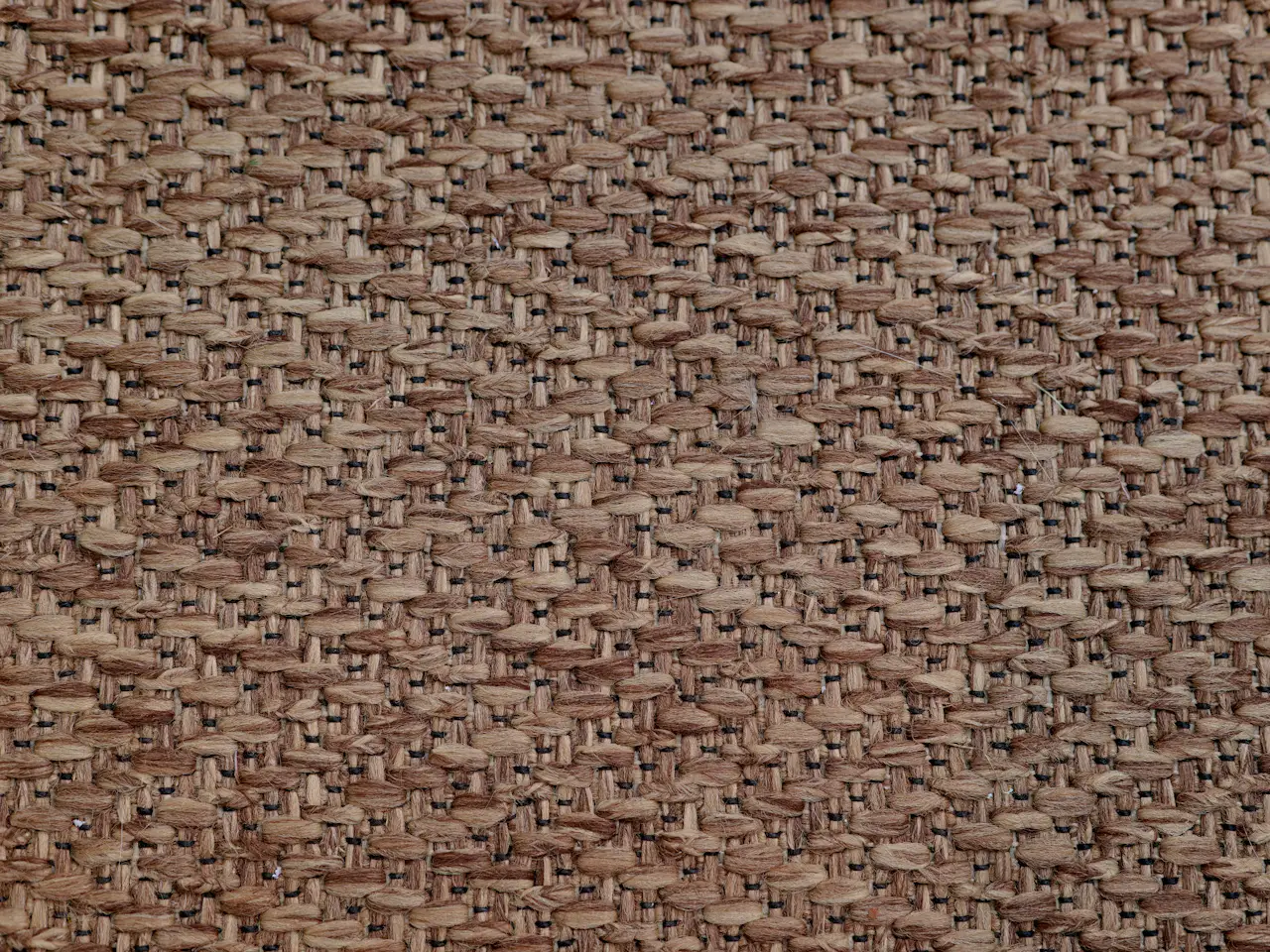
Interior textiles are assessed against a different set of properties from apparel. An upholstery fabric is judged first on abrasion resistance, measured in Martindale rub cycles: domestic use is satisfied by comparatively modest figures, while contract and hospitality settings demand substantially higher ratings because the same seat is used by hundreds of people. Weight, stability and seam strength follow from the same requirement.
Curtain and drapery fabrics are specified against light instead. The decision is between sheer, dim-out and blackout behaviour, and it changes the construction entirely. Drop length drives another practical concern: a curtain that relaxes after hanging will lengthen visibly, so dimensional stability and correct hemming allowance matter more than they would in apparel. Width also differs — many interior cloths are supplied wider than apparel fabrics precisely to reduce seams across a drop.
Decorative constructions carry the visual weight. Jacquard builds pattern into the structure with a depth that printing cannot match and survives long service. Velvet brings light-responsive pile but has direction and shows pressure marks. Canvas gives robust plain-woven durability for heavy-use pieces. For contract projects, flame-retardancy requirements are set by regulation and by the venue, and must be confirmed for the specific article rather than assumed for the category.
Fabric Types
Recommended Applications
Production Notes
- Specify the required Martindale rating for upholstery; contract use and domestic use are not comparable.
- Cut pile fabrics in one nap direction across the whole piece to avoid shade variation.
- Flame-retardancy requirements must be confirmed per article and per venue regulation.
Request a Quote
Share the specification you are working to and our team will help you evaluate the right fabric options.